Reliable Pipe Repair in Lawrenceville
Searching for dependable Lawrenceville water line repair specialists? We utilize cutting-edge technology to analyze flow problems, line breaks, and contamination using flow mapping, acoustic/thermal locating, and pipe cameras. You'll receive regulation-compliant fixes following AWWA/ASTM protocols, NSF-61 products, industry-standard bedding/compaction, thrust restraint, and certified disinfection. We coordinate documentation, 811 locates, PRVs/backflow compliance, and record pressures, tests, and warranties. Using either trenchless or open-cut methods, we coordinate materials to red clay soils and local pressure zones for lasting results. Discover how we protect your home and return service securely.
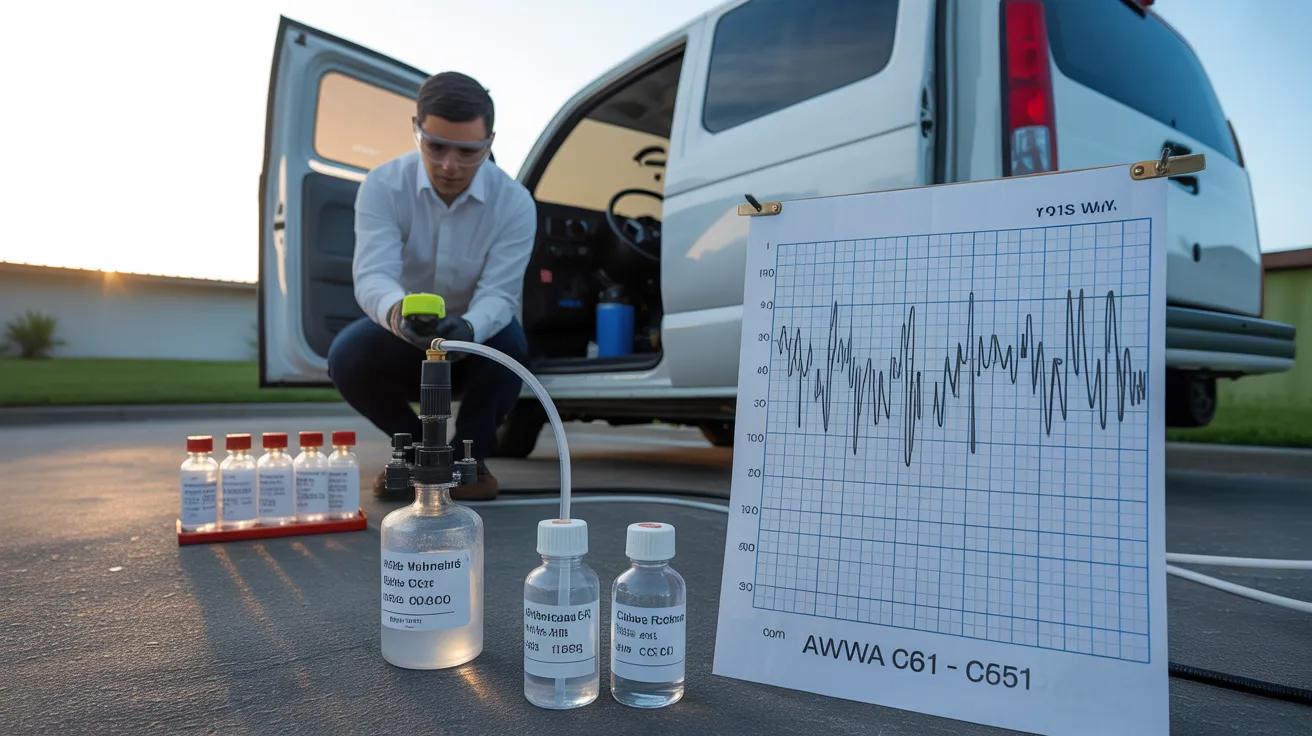
Critical Highlights
- Certified Lawrenceville professionals who adhere to local and state building requirements, including required documentation, utility marking, and certified materials
- Rapid emergency response supported with written scopes, line-item pricing, guarantees, and photo-documented change orders.
- Expert diagnostic capabilities: thermal imaging, pressure mapping, acoustic leak detection, and video inspection for precise problem identification.
- Offer trenchless and traditional open-cut repair options, including standard bedding, thrust restraint, pressure validation, and disinfection meeting AWWA standards.
- Educate house owners on leak indicators and furnish documented test results, chlorine level readings, and final restoration verification.
Warning Signs of Water Line Problems in Your Lawrenceville Home
Detect issues at the onset to stop high-priced damage and code violations. Monitor reduced flow at multiple fixtures, persistent low pressure when valves are completely open, or sudden jumps on your water bill. Check for damp drywall, warmth in the slab, water pooling in the yard, or meter movement with all fixtures off. Monitor leaky fixtures that continue after cartridge replacement, as they may indicate upstream supply issues. Pay attention to squealing at shutoffs, rattling in pipes, or constant filling at the toilet.
Look for discoloration, air sputtering at taps, or unusual odors that point to water quality issues. Check the service line entry point for mineral buildup, leaks, or corrosion. Verify the functionality and marking of shutoff valves. If you detect any of these code-relevant conditions, shut off the water supply and contact a certified professional.
Understanding Water Line Failures and Pressure Concerns
You'll notice pressure loss and leaking when pipes deteriorate due to age or corrosion, notably when materials fall short of current standards. Earth settlement and intrusive root growth can break joints, destroy pipes, or displace connections, leading to ruptures and contamination hazards. High pressure levels and temperature fluctuations strain plumbing components and joints, so it's essential to service a pressure regulator and sufficient pipe protection to ensure safety and code compliance.
Worn and Corroded Pipes
Although a system meets initial code requirements, aging or corroded pipes become a primary source of leaks, line breaks, and pressure loss. Systems face internal scaling, pitting corrosion, and metal fatigue that degrade pipe integrity and open pathways for water escape. Steel pipes and aging copper lines may deteriorate, while iron pipes rust, all increasing system failure probability and water cloudiness. In the presence of lead plumbing or brass components containing lead, corrosion can mobilize lead particles into the water, raising safety and compliance issues.
Make sure to check pressure variations, color changes, and small leaks. Carry out thickness measurements, corrosion monitoring, and chemical analysis. Swap out damaged sections with certified components, install dielectric unions, regulate pH/alkalinity, and establish corrosion control per local and EPA guidelines.
Ground Shifts and Tree Root Effects
When soil stability fluctuates from changing water content, building vibrations, or freeze-thaw cycles, subsurface water mains lack uniform foundation and experience stress at joints and bends. You'll notice poor positioning and joint displacement that lead to water loss and pressure drops. Differential foundation movement can cause brittle pipes to break or compromise mechanical connections, especially at service connections and pipe intersections.
Tree roots exploit micro-cracks and joints, with root intrusion accelerating when moisture is detected. When roots expand, they break apart fittings, restrict fluid movement, and stress connection points. Reduce problems by ensuring adequate coverage, using compliant materials, proper compaction, and structural reinforcement. Implement preventive measures like root-resistant species, protective barriers, and periodic inspections with leak detection to spot concerns promptly.
Freezing Under Pressure
While distribution networks are built for a designated maximum working pressure, pressure surges from rapid valve shutoffs, pump operations, or fire suppression needs can surpass limits and create pressure surges which fracture pipes, rupture gaskets, and weaken connections. You'll notice a high pressure surge travel at valve speed, reflecting at dead ends and appurtenances, concentrating force at tees, bends, and couplings. To mitigate this, install ASSE-listed pressure-reducing valves, air/vacuum release valves, and slow-closing, full-port valves per local code. Keep up thrust blocks and anchoring systems.
Winter cold snaps trigger freezing and expansion in inactive or under-insulated water lines. The volumetric expansion of water by 9% risks breaking copper, CPVC, or PEX components and deform flow meters. You'll eliminate these issues with regulation-depth burial depth, sufficient insulation, heat tracing, and controlled water flow to minimize static pressure.
Our Step-by-Step Water Line Diagnostic Process
Starting with the obvious and narrow the fault systematically: we initially testing pressure levels at reachable outlets, then separate system sections to verify whether the problem is related to main lines, branches, or specific fixtures. We will check measurements against local code thresholds, document variances, and protect backflow integrity. Subsequently, we perform pressure mapping from meter to terminal points, logging drops that point to restriction or leakage. We use acoustic detection to identify subsurface anomalies and thermal imaging to detect hidden moisture or temperature differentials around structural elements. We evaluate PRVs, shutoffs, and expansion controls, verifying alignment and performance. Lastly, we test material continuity, joints, and depth-of-cover where exposed, identify service lines, and deliver a comprehensive, code-aligned assessment you can review and authorize safely.
Repair Methods We Trust for Long-Term Success
Build it right, keep it safe, and make it last: we establish repair techniques based on check here material type, pipe diameter, installation depth, and regulatory requirements, then carry out with AWWA- and IPC-compliant practices. You receive detailed material specifications, NSF-61 certified parts, and joints assembled to manufacturer torque requirements. We conduct pressure checks to AWWA C600/C605 standards, perform durability testing on connections and restraints, and perform sanitization per AWWA C651.
In treating galvanized or corroded steel, we isolate specific portions, install dielectric unions and increase sizing to reduce friction resistance. For copper installations, we utilize professional brazing or lead-free press fitting solutions incorporating protective sleeve elements. For PVC/HDPE applications, we utilize heat-fusion or solvent-welding using precision beads and reinforce critical bends with thrust blocks. We complete the setup with tracer wire, implement pipe bedding to ASTM standards, complete backfilling with compacted layers, and confirm system operation through complete testing of flow, pressure, and seal integrity before project completion.
Understanding Trenchless and Conventional Water Line Repair Options
Navigate through the alternatives by aligning approach to location limitations, pipe type, and code. If the service line is PVC, copper, or HDPE with tight spaces and solid ground, trenchless pipe rehabilitation - pipe bursting or cured-in-place lining - ensures reduced interference, safeguards landscaping, and fulfills ASTM/ICC standards when installed to manufacturer specs. Check utility locates, backflow protection, and pressure ratings. For significant displacement, broken portions, undersized lines, or lead/galvanized replacement, select traditional open-cut. It enables thorough assessment, adequate base support, correct slope, thrust restraint, and code-compliant materials.
Check soil depth, groundwater levels, and distance to structural elements. Verify required permits and required inspections. Perform pressure tests, sanitize according to AWWA guidelines, and reinstall covering with thoroughly compacted backfill. Deploy traffic control, proper shoring, and personal protective equipment. You'll minimize risks, maintain service integrity, and comply with Lawrenceville standards.
Pricing Transparency and Service Process Overview
Before mobilization, we'll provide you with a detailed scope, itemized cost breakdown, and a maximum cost aligned with site conditions and code requirements. We clearly define client requirements up front: detailed quotes detail everything from materials and labor to permits, utilities, traffic control, and site restoration. You'll review and approve any alternates-whether trenchless or traditional-before work begins.
When we arrive, we check shutoffs, identify utilities per 811, and implement PPE and site controls. We carefully evaluate pipe size, material, depth, and serviceability, before proceeding with the specified repair. Should we discover different concealed conditions, we immediately pause, share photo documentation, and prepare a change order for your approval-ensuring no surprises.
You'll see daily progress reports, pressure and disinfection results as needed, and an organized site. The final bill matches the agreed-upon scope, with warranties documented in writing.
Protective Plumbing Inspections for Your Home
Even if your water line appears to function properly under regular usage, scheduled assessments detect minor issues before they develop into costly leaks, utility disruptions, or property issues. As part of our evaluation, we carefully examine both static and dynamic pressure measurements, inspect backflow prevention devices, and log meter measurements. We utilize sophisticated methods such as acoustic listening, thermal scanning, and video pipe inspection to identify pinhole leaks, corrosion, root intrusion, and joint misalignment without invasive digging.
We also verify code compliance: correct burial depth, authorized materials, tracer wire for PE services, and easy-access shutoff valves. Periodic maintenance is vital - winter freezing and thawing, high summer usage, and soil shifts can strain fittings and saddles. Through comprehensive homeowner education, you'll be able to identify low pressure, water clarity issues, or soggy soil. Fixes are implemented swiftly in accordance with ASTM and IPC/UPC standards, protecting water purity and structural soundness.
Understanding Why Local Knowledge is Essential for Lawrenceville Properties
You need a contractor who understands Lawrenceville's soils and chooses pipe materials to avoid deterioration, shifting, and early breakdown. Local pros keep your repair plan compliant with Gwinnett County codes, permits, and inspection protocols to prevent code problems and do-overs. When a line breaks, they are familiar with the neighborhood layout, isolation points, and utility connections, so you get quicker, more secure crisis solutions.
Pipe and Soil Compatibility
Given that Lawrenceville's challenging soil conditions and varying moisture levels exert distinct loads on buried utilities, pipe selection and installation must match local geotechnical conditions to maintain durable and up to code. You must utilize materials and methods validated for soil compatibility, groundwater fluctuations, and shrink-swell cycles. Experienced local professionals select HDPE, PVC, or ductile iron with proper SDR ratings, protective coatings, and secure connections to accommodate soil displacement.
They'll analyze native soil composition, then develop bedding systems with properly graded angular stone to ensure even structural support, protect pipe bells, and prevent point loading. Proper trench width, lift thickness, and compaction levels reduce movement and subsidence. Where red clay is aggressive, they'll install wraps, cathodic protection, or isolation fittings. Proper backfill moisture control and staged compaction maintain positioning and maximize durability.
Building Code Requirements
All governance tiers - from Lawrenceville municipal codes to regional and state-level plumbing standards - regulates how water services are sized, routed, protected, and inspected. You need a contractor who thoroughly understands both local amendments and base IPC requirements, knows proper spacing requirements from utility lines and systems, and specifies AWWA-compliant materials certified for area-specific pressure levels. They'll determine proper depth for frost protection and traffic bearing, add necessary backflow preventers, and ensure proper electrical bonding of metal components.
Local expertise accelerates permit processes by filing approved site documentation, utility locations, and tap approvals in the sequence inspectors expect. A tested inspection checklist addresses excavation security, base and coverage, thrust restraint, service sizing, leak and pressure verification, valve orientation, curb-stop access, meter installation, and sterilization validation before restoration.
Enhanced Emergency Response
A professional experienced with Lawrenceville's pressure systems and utility specifications generally offers the fastest solution. When there's a pipe burst, you need immediate response, not guesswork. Professional technicians will efficiently pinpoint your meter, confirm service line materials, and isolate leaks using their expertise with district valves, minimizing service disruption and structural risk. Following priority protocols, they sequence operations: effectively manage water flow, secure against electrical dangers, and stabilize flow in compliance with UPC/IPC specifications.
They expertly manage 811 coordination, interpret municipal cutoff protocols, and arrange right-of-way access without delays. Technicians arrive with the proper CTS, copper, or HDPE fittings and certified backflow protection, eliminating noncompliant repairs. They record pressures, chlorine residuals, and bacteriological standards, execute controlled repressurization, and restore service fast without compromising safety or code.
Popular Questions
Can You Provide Emergency 24-Hour Water Line Service in Lawrenceville?
Yes, you can same-day emergency water line repair in Lawrenceville. You'll get 24/7 assistance, quick assessment, and up-to-code remediation. Our team locates the leak, turn off utilities, and conduct pressure checks, line locating, and camera inspection to locate failures. Our specialists implement trenchless or open-cut repairs per local code, use approved fittings, and reestablish service with documented pressure and contamination tests. We provide clear pricing, safety controls, and after-service monitoring to stop recurrence.
Are All Your Technicians Licensed, Insured, and Screened?
Indeed - all our technicians are completely certified, insured, and background-verified. Curious how we guarantee trust? We validate licensing requirements, ensure proper insurance protection, and conduct comprehensive background checks before field deployment. You receive code-compliant service, safety-first procedures, and proof of certification upon request. We also require continuous education, strict code compliance, and jobsite safety protocols. You'll see professional credentials, transparent pricing, and excellent service from start to finish.
What Warranties or Guarantees Cover Parts and Labor
You get a detailed warranty package: parts are covered under appropriate Manufacturer warranties, and labor is covered with clear Labor guarantees. Components usually include 1-5 years based on manufacturer specifications; registration is completed when required. Installation is covered for 12 months, adhering to IPC/UPC code and local amendments. We thoroughly document pressure tests, depth/bedding, and backfill following safety standards. The warranty doesn't cover misuse, third‑party damage, and freeze events. You will receive full information on claim procedures, response timelines, and transferability terms.
Can You Handle Permitting With the City of Lawrenceville?
Yes, you can manage permitting with the City of Lawrenceville. You'll initiate permit assistance by delivering a comprehensive scope, site plan, and utility locates. You'll handle city coordination by scheduling inspections, complying with Gwinnett County/Lawrenceville codes, and obtaining right-of-way approvals when trenching streets. You must confirm backflow, depth-of-cover, and material specifications (e.g., Type K copper/CTS PE). You need to ensure traffic control per MUTCD, document as-builts, and close permits only after final inspection approval.
Are Financing Options Available for Larger Repairs?
We provide Flexible Financing and Deferred Payment options for substantial repair projects. You'll choose structured plans that meet code-compliant scopes, material specifications, and safety requirements. We carefully review project estimates, required permits, and inspection protocols, then match terms to your financial needs. Financing choices feature competitive interest rates, same-as-cash periods, and milestone-based disbursements connected to work progress. You can apply quickly, receive prompt decisions, and finalize agreements digitally. We don't sacrifice quality, safety standards, or warranty protection to accommodate payment schedules.
Wrapping Up
There's a clear connection when you're noticing pressure issues at the same time your neighbor's yard has started sinking. You're both using the same deteriorating water line. We deliver up-to-code evaluation, pressure verification, and leak location services that focus on security and land preservation. We'll carefully isolate the shutoff points, check backflow systems, and choose optimal repair solutions according to area requirements. You can expect upfront quotes, proper documentation, and site cleanup. Contact us now before a minor leak develops into a major utility problem or ground stability issue.